
Is Someone You Love Being Hurt?
When you place a parent in a nursing home or hire a caregiver, you are trusting someone to keep them safe. Bedsores, unexplained bruises, sudden weight loss, or a fall nobody can explain are signs that trust was broken. Our California elder abuse lawyers investigate what actually happened inside the facility, obtain the records the staff would rather you never see, and pursue the enhanced remedies California law reserves for elder abuse cases.
No win, no fee. Your consultation is free and confidential.




Do I Have a Case?
Fill in your information for a One-on-One Consultation at no charge.
No Win, No Fee
Available 24/7
Millions Recovered
Free Consultation
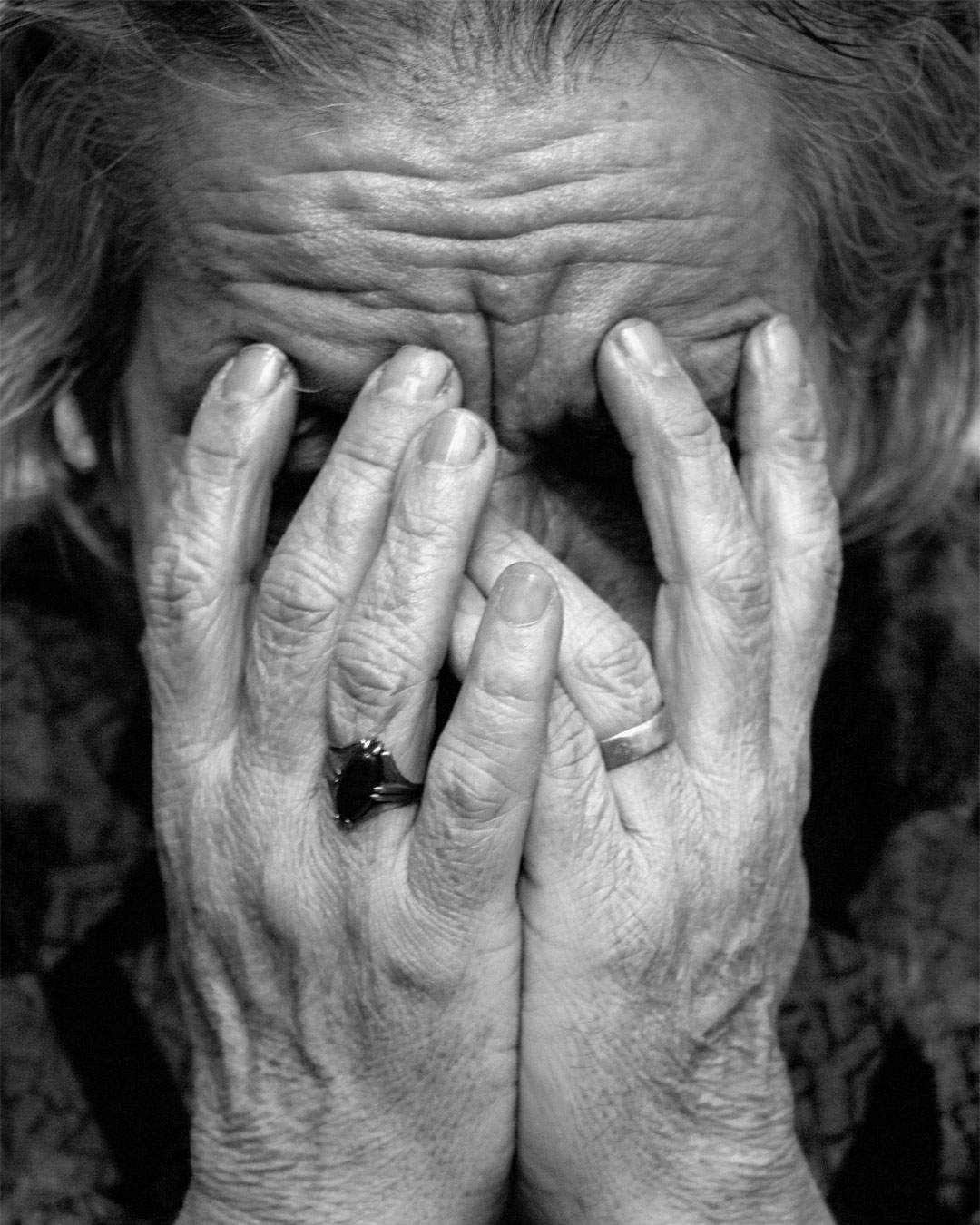
California treats abuse and neglect of an elder differently from an ordinary injury claim. The Elder and Dependent Adult Civil Protection Act, found at Welfare and Institutions Code section 15600 and following, applies to anyone 65 or older, and to dependent adults between 18 and 64 whose physical or mental limitations restrict their ability to protect themselves. It covers physical abuse, neglect, abandonment, isolation, financial exploitation, and abduction.
The reason this matters is what the Act adds. Under Welfare and Institutions Code section 15657, when a plaintiff proves by clear and convincing evidence that the defendant was liable for physical abuse, neglect, or abandonment, and was guilty of recklessness, oppression, fraud, or malice, the court shall award reasonable attorney’s fees and costs. Most personal injury claims carry no fee-shifting at all. In a case that qualifies, the facility pays for the legal work required to hold it accountable.
The second addition is more urgent in 2026. For survival actions filed on or after January 1, 2026, California Code of Civil Procedure section 377.34 once again bars recovery of a deceased person’s pain, suffering, and disfigurement. The temporary window that allowed those damages expired on December 31, 2025 and was not extended. But section 15657 states that the limitations imposed by section 377.34 do not apply to a qualifying elder abuse claim, subject to the ceiling in Civil Code section 3333.2(b). Put plainly: if your mother suffered for months before she died, an ordinary negligence claim filed today recovers nothing for that suffering, while a properly proven Elder Abuse Act claim can. That distinction turns on how the case is pleaded and proven from day one, which is why the choice of a California elder abuse attorney matters more here than in almost any other kind of injury case.
Financial abuse follows a separate and friendlier track. Under section 15657.5, liability for financial abuse only has to be proven by a preponderance of the evidence for the court to award attorney’s fees and costs.
Real Results
Elder abuse is rarely one cruel employee acting alone. In facility cases, it is usually the predictable result of business decisions made far above the person who failed your family member.
One aide responsible for twenty residents cannot reposition every bedbound patient every two hours, answer every call light, or supervise every transfer. Understaffing is the single most common root cause we find, and staffing records and payroll data usually prove it.
Facilities under pressure to fill shifts skip background checks, ignore prior complaints, and keep employees who have already been reported. When an aide with a documented history harms a resident, the facility’s hiring file becomes central evidence.
Repositioning a frail patient, using a mechanical lift, and recognizing early skin breakdown are learned skills. When a facility puts untrained aides on the floor without a supervising nurse, injuries follow within weeks.
Federal and state regulations require ongoing assessment of fall risk, nutrition, skin condition, and cognitive decline. When a resident’s needs change and the care plan does not, the resulting injury was foreseeable and preventable.
Corporate operators reduce nursing hours, cut supplies, and set budgets that make adequate care impossible. Our elder neglect lawyers look past the individual facility to the ownership structure and the financial decisions behind the care failure.
Charts that show a resident was turned every two hours while a stage four pressure ulcer developed tell you the records are wrong. Gaps, backdating, and contradictions between the chart and the hospital’s findings are often the strongest evidence in the case.
Our California elder abuse attorneys represent families in nursing homes, assisted living and memory care communities, board and care homes, hospitals, and private homes where a caregiver or agency was responsible.
Hitting, rough handling, unlawful restraint, and overmedication used to sedate a difficult resident. Unexplained bruising in patterns consistent with grabbing, fractures with no reported fall, and injuries a facility cannot account for all warrant investigation.
Bedsores are largely preventable with repositioning, nutrition, and skin monitoring. A stage three or stage four pressure ulcer that develops inside a facility is treated by most experts as evidence of neglect, and a bedsore lawsuit attorney will look immediately at turning schedules and wound documentation.
Residents who need help eating and drinking often do not get it when staffing is short. Rapid weight loss, sunken eyes, elevated sodium, and kidney injury on admission to the hospital point to a facility that was not feeding or hydrating your family member.
Repeated falls, falls from beds without ordered rails, and injuries during lift transfers reflect failed fall-risk assessments rather than bad luck. Hip fractures and head injuries in an elderly patient frequently begin an irreversible decline.
Wrong drug, wrong dose, missed doses of anticoagulants or insulin, and chemical restraint through inappropriate antipsychotics. Medication administration records and pharmacy logs establish what was actually given.
Caregivers, new “friends,” and sometimes family members who take money, add themselves to accounts, redirect benefits, or push a confused elder into signing a deed, a new will, or a power of attorney. A financial elder abuse attorney can pursue return of the property along with fees and costs under section 15657.5.
Threats, humiliation, and deliberately cutting a resident off from visitors and phone calls. Isolation is named in the Act as its own form of abuse, and it is often used to hide other conduct from the family.
Threats, humiliation, and deliberately cutting a resident off from visitors and phone calls. Isolation is named in the Act as its own form of abuse, and it is often used to hide other conduct from the family.
When abuse or neglect ends a life, the family may bring both a wrongful death claim for their own losses and a survival claim on behalf of the estate. Our wrongful death attorneys handle both tracks together.
Most of our clients called because something felt wrong before anyone confirmed it. Trust that instinct and document what you see.
New bruises, skin tears, pressure sores, rapid weight loss, poor hygiene, soiled bedding, dehydration, or an untreated infection. Photograph everything with a date stamp.
Sudden fear of a specific staff member, withdrawal, agitation, flinching from touch, refusing to speak in front of employees, or a new reluctance to be left alone.
Staff who cannot explain an injury, changing accounts of the same event, refusal to release records, restricted visiting, or pressure to move your family member to another facility or to hospice.
Unfamiliar withdrawals, a new name on an account, missing valuables, changed beneficiaries, or legal documents signed during a period of confusion.
Call lights ringing unanswered, residents left in wheelchairs in hallways, constant turnover, and agency staff who do not know your family member’s name or needs.
Identifying every liable party matters because it determines how much insurance coverage is available and who has the authority to settle.
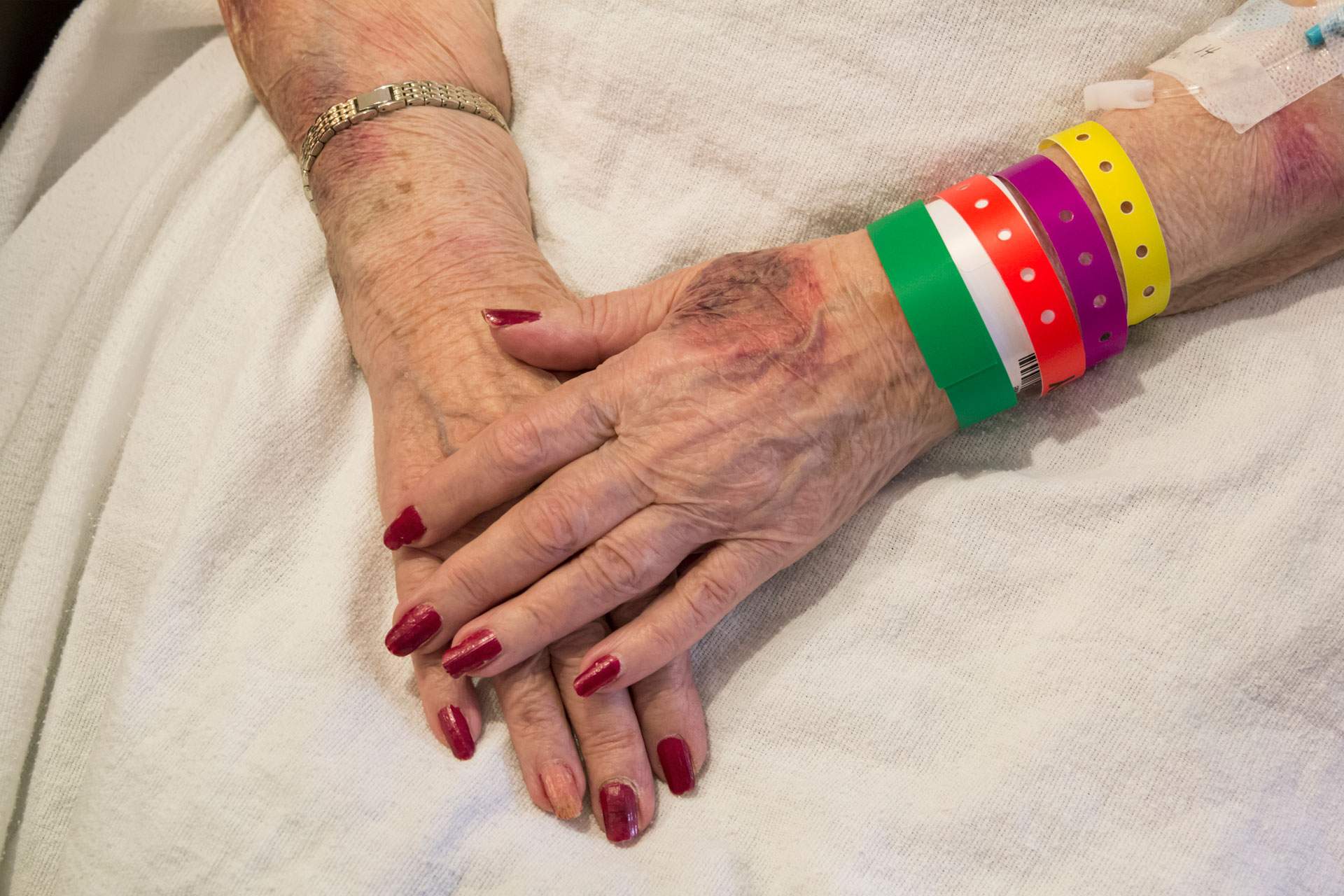
The Facility: The licensed operator is responsible for staffing, training, supervision, assessment, and infection control. Deficiency histories, state survey findings, and prior complaints establish whether the facility knew about the risk and left it in place.
Corporate Owners and Management Companies: Many California facilities sit inside layered ownership structures with separate operating, management, and property companies. Following the money frequently reveals the entity that set the staffing budget, and it can materially change the value of the claim.
Individual Staff and Supervising Nurses: Aides, nurses, and administrators can be personally liable for abuse and for failing to report it. California’s mandated reporter rules require staff to report suspected abuse, and a failure to report is itself evidence.
In-Home Caregivers and Placement Agencies: Home care agencies are responsible for who they send into your parent’s house. Negligent hiring, no supervision, and no background check support claims against the agency, not only the individual caregiver.
Hospitals and Third Parties: When a hospital discharges an at-risk patient into unsafe care, or a therapy or staffing vendor contributes to the injury, those parties may share responsibility.

Meet Your Team
Families bringing an elder abuse claim are already exhausted from managing care, records, and their own grief. You should not also be managing your lawyer. Your case is overseen by an attorney who knows the medical record, the statutory standard, and your family member’s story, from the first call to the final resolution.
From the first conversation to the final resolution, your attorney remains focused on two priorities: protecting your family’s future and ensuring a fair result.



Proven Record
Confidential
Confidential
Car Accident
Employment Law
Confidential
Confidential
If a caregiver or facility harmed your family member, you may be able to recover past and future medical costs, the cost of relocating to a safe facility, pain and suffering, and, in qualifying cases, attorney’s fees and punitive damages. Families who have lost a loved one may pursue both a wrongful death claim and a survival claim on behalf of the estate.
Facilities and their insurers know these rules. Speaking with a California elder abuse lawyer early protects the evidence and preserves every option.
Statute of Limitations and Why Timing Is Critical
Most California elder abuse and neglect claims must be filed within two years of the injury under Code of Civil Procedure section 335.1. Shorter deadlines apply in important situations: claims against a public or county-run facility generally require a government claim within six months, and some claims framed as professional negligence against a health care provider carry a one-year deadline. When the elder has died, Code of Civil Procedure section 366.1 gives the estate the later of six months after death or the deadline the elder originally faced. The practical deadline is shorter than the legal one, because staffing records, video, and witnesses disappear within months.
The 2026 Change to Survival Damages
For survival actions filed on or after January 1, 2026, the decedent’s pain, suffering, and disfigurement are no longer recoverable in an ordinary claim. A qualifying Elder Abuse Act claim is the exception, and it is capped by reference to Civil Code section 3333.2(b), which stands at $470,000 for non-death claims and $650,000 for wrongful death claims during 2026 and rises annually. Economic damages are not capped. If your family member died after a period of preventable suffering, the difference between these two theories can be the difference between a nominal case and a serious one.
Arbitration Agreements Are Not Always Enforceable
Nursing home admission packets routinely include arbitration clauses. Whether one binds your family depends on who signed it, whether that person held valid authority for the resident, whether signing was presented as a condition of admission, and whether the wrongful death claim of surviving family members is covered at all. Do not assume a signature closed the courthouse door.
California's Elder and Dependent Adult Civil Protection Act covers physical abuse, neglect, abandonment, isolation, abduction, financial exploitation, and other treatment causing physical harm, pain, or mental suffering to someone 65 or older or to a dependent adult. Neglect includes the failure to assist with personal hygiene, to provide food, clothing, or shelter, to protect from health and safety hazards, and to prevent malnutrition or dehydration. You do not need to prove intent to harm.
Medical records usually carry the case. Wound documentation, turning and repositioning logs, medication administration records, weight charts, incident reports, and care plans show what was required and what was done. Staffing and payroll records show whether care was possible at all. Photographs, your own dated notes, witness statements from other families and former employees, and state survey findings fill in the rest. For the enhanced remedies under section 15657, that evidence must establish recklessness, oppression, fraud, or malice by clear and convincing evidence.
Nothing up front. We handle elder abuse and nursing home neglect cases on a contingency fee, so you pay attorney's fees only if we recover money for your family. In cases that qualify under section 15657 or section 15657.5, California law directs the court to award reasonable attorney's fees and costs against the defendant, which can leave more of the recovery with your family.
It is a records case, and facilities control the records, so it is harder than a typical injury claim and much harder without a lawyer who does this work. The advantages sit with families who move early: complete charts, staffing data, prior complaints, and the facility's deficiency history are all obtainable, and California's fee-shifting provision gives serious claims real leverage.
A personal injury attorney with specific experience in the Elder Abuse Act and in custodial neglect litigation. The distinction matters because an ordinary negligence claim and a qualifying elder abuse claim carry different standards of proof, different available damages, and different rules on attorney's fees, and the pleading decisions made at the start determine which one you end up with.
Yes. The family may bring a wrongful death claim for their own losses, and the estate may bring a survival claim for what your parent endured before death. Since January 1, 2026, the decedent's pain and suffering is generally unavailable in an ordinary survival action, but a qualifying Elder Abuse Act claim remains an exception under section 15657. Deadlines here are shorter, so call before records are purged.
Retaliation against a resident for reporting abuse is prohibited, and threats or moves that follow a complaint become evidence in the case. In practice, we help families document conditions, communicate with administrators in writing, and plan a safe transfer when the facility can no longer be trusted.
Straightforward claims with clear records can resolve in several months. Cases involving corporate ownership structures, contested arbitration clauses, or expert disputes over causation typically take a year or more. We give you a realistic timeline after reviewing the medical records rather than at the first phone call.
Our elder abuse attorneys represent families throughout Southern California and in Nevada, including nursing homes, assisted living communities, and memory care facilities across Los Angeles County, Orange County, San Diego, and the Las Vegas area.
San Diego
We represent families in elder abuse cases throughout San Diego County and Southern California. You can meet with us in person or connect remotely, depending on what is most comfortable for you during this time.
Las Vegas
Our Las Vegas office serves families dealing with elder abuse incidents in either Nevada or California. We understand how cross‑border issues affect elder abuse claims and can guide you through the laws of both states.
Get in Touch
24-Hour Line: (818) 488-9448
400 N Brand Blvd Suite 840
Glendale, CA 91203
12544 High Bluff Drive Suite 200
San Diego, CA 92130
5940 S Rainbow Blvd
Las Vegas, NV 89118