
Injured on Someone Else's Property?
When you’re injured on someone else’s property due to dangerous conditions, negligent maintenance, or inadequate security, property owners can be held legally responsible. Our California premises liability lawyers know how to prove negligence, obtain critical inspection records and maintenance logs, and fight for the compensation you deserve when property owners fail to keep visitors safe.
No win, no fee. Your consultation is free and confidential.




Do I Have a Case?
Fill in your information for a One-on-One Consultation at no charge.
No Win, No Fee
Available 24/7
Millions Recovered
Free Consultation
Property owners—whether businesses, landlords, homeowners, or government entities—have a legal duty to maintain their premises in a reasonably safe condition and warn visitors about hazards they know about or should have discovered. When they fail in this duty and someone gets hurt, they can be held liable for the resulting injuries and damages.
This duty applies to all types of properties: retail stores, restaurants, apartments, hotels, office buildings, parking lots, sidewalks, parks, and private homes. The specific standard of care depends on why you were on the property—invited customers generally receive the highest level of protection, while trespassers receive minimal protection under California law.
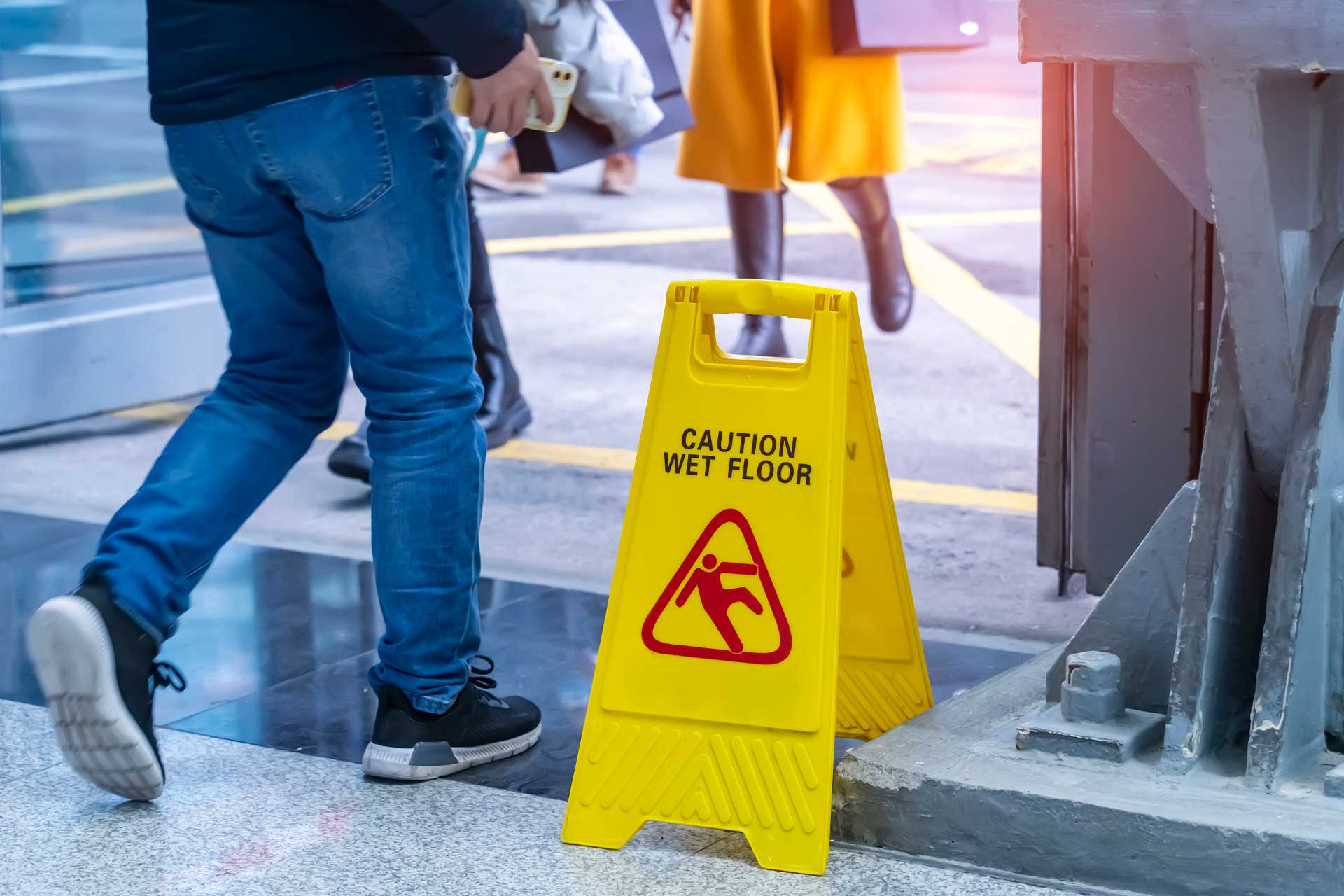
Property owners cannot simply claim ignorance of dangerous conditions. They’re required to conduct regular inspections, maintain their property, repair known hazards promptly, and warn about dangers that can’t be immediately fixed. When they cut corners on maintenance to save money, ignore repeated complaints about hazards, or fail to inspect their property regularly, they create liability for any resulting injuries.
However, proving premises liability isn’t as simple as showing you were injured on someone’s property. You must establish that a dangerous condition existed, that the property owner knew or should have known about it, that they had reasonable time to fix it or warn about it, and that the hazard directly caused your injuries. Insurance companies fight these cases aggressively, often claiming you should have seen the danger, that the condition was “open and obvious,” or that they had no notice of the problem.
A California premises liability attorney knows how to obtain inspection records, maintenance logs, prior incident reports, and surveillance footage that prove property owners knew about hazards and failed to act. Without this evidence—which property owners often hide or destroy—you risk having valid claims denied or settling for far less than your injuries justify.
Real Results
Our California premises liability attorneys represent victims injured in all types of dangerous property conditions throughout Los Angeles County and beyond.
Wet floors, spills, ice, uneven surfaces, torn carpeting, and debris cause serious injuries when property owners fail to maintain safe walking surfaces or warn about hazards. Slip and falls can result in broken bones, spinal injuries, and traumatic brain injuries—especially for elderly victims.
Broken stairs, uneven pavement, cracked sidewalks, poor lighting, hidden drop-offs, and unmarked elevation changes cause victims to trip and fall, often resulting in serious fractures, head injuries, and permanent disabilities.
Property owners who fail to provide adequate security—broken locks, non-functioning gates, poor lighting, lack of security personnel—can be held liable when guests are assaulted, robbed, or attacked by third parties on their property, especially when prior crimes made the danger foreseeable.
Falling ceiling tiles, broken handrails, defective elevators and escalators, collapsing structures, and poorly maintained equipment injure visitors when property owners ignore maintenance obligations or delay necessary repairs to save money.
Drownings, diving injuries, and slip and falls around pools occur when property owners fail to maintain proper fencing, provide adequate supervision, warn about depth changes, or keep deck surfaces safe and non-slip.
Mold, asbestos, lead paint, carbon monoxide, chemical spills, and other toxic substances can cause serious health problems when landlords and property owners fail to maintain safe environments or warn about known hazards.
Property owners who allow dangerous dogs on their premises—whether their own pets or tenants’ animals—can be held liable when those dogs attack visitors, especially when they knew the dog had aggressive tendencies or prior bite history.
Property owners who violate fire codes, fail to maintain sprinkler systems, block exits, or ignore electrical hazards can be held liable when fires cause injuries or deaths that proper maintenance and code compliance would have prevented.
Premises liability cases require immediate investigation, thorough documentation, and aggressive pursuit of evidence property owners try to hide.
When you call, you speak directly with a California premises liability attorney who listens to what happened and evaluates your claim. We often visit the accident site immediately to photograph conditions, identify hazards, and document evidence before property owners make repairs that eliminate proof of negligence.
We send immediate legal notices requiring property owners to preserve surveillance footage, inspection records, maintenance logs, incident reports, and employee schedules. These spoliation letters prevent destruction of critical evidence and establish bad faith if property owners claim records don’t exist.
We obtain police reports, witness statements, surveillance footage from the property and nearby businesses, and photographs of the hazardous condition. We review maintenance histories, prior incident reports, building code violations, and insurance claims to establish patterns of negligence.
When needed, we retain safety engineers, property management experts, building inspectors, and security consultants who analyze the property, review industry standards, and provide testimony about what a reasonable property owner should have done to prevent your injuries.
We coordinate your treatment with doctors who understand premises liability injuries and document the full impact of your condition. For severe injuries, we work with life care planners who calculate costs of future surgeries, therapy, and ongoing medical needs.
We negotiate aggressively with property owners’ insurance companies, using evidence of negligence and prior knowledge to demand full compensation. When insurers refuse fair settlements, we’re fully prepared to file suit, conduct discovery to uncover hidden evidence, and present your case to a jury.
Premises liability cases require specific evidence to prove that property owners knew about hazards and failed to act. We know where to find that proof.
California law requires proving four elements in premises liability cases: that a dangerous condition existed on the property, that the property owner or their employees knew or should have known about the condition, that they failed to repair it or warn about it within a reasonable time, and that the dangerous condition directly caused your injuries.
The most contested element is usually whether the property owner had “notice” of the hazard. There are two types of notice that establish liability:
Actual Notice means the property owner or their employees directly knew about the dangerous condition—through complaints, prior incidents, inspection findings, or employee reports. We prove actual notice by obtaining:
Constructive Notice means the hazard existed long enough that a reasonable inspection would have discovered it. We establish constructive notice by proving:
Surveillance Footage: Security cameras often capture the moments before, during, and after accidents, showing how long hazards existed, whether employees walked past without addressing them, and exactly how the accident occurred.
Inspection and Maintenance Records: Property owners are required to document regular inspections and repairs. Missing records suggest inspections weren’t performed. Records showing ignored hazards prove actual notice.
Incident Reports: Prior accidents involving the same hazard prove the property owner knew about the danger and failed to fix it, establishing a pattern of negligence.
Employee Statements: Workers often know about hazards management ignores. We interview employees who may have reported problems or witnessed previous incidents involving the same condition.
Building and Safety Violations: Code violation notices from building inspectors or fire marshals prove property owners were aware of specific hazards and legally required to fix them.
Expert Testimony: We work with safety engineers, property management experts, and industry specialists who testify about appropriate standards of care, inspection protocols, and whether the property owner met those obligations.
Property owners routinely claim:
We counter these defenses with thorough investigation, expert testimony about notice requirements, medical evidence linking injuries to the accident, and documentation proving you had every right to be where you were injured.
Dangerous property conditions exist in all types of locations. We represent victims injured throughout California in:
Grocery stores, department stores, malls, and retail shops must maintain safe floors, adequate lighting, organized merchandise, and functional entrances. Spills, wet floors, cluttered aisles, falling merchandise, broken doors, and parking lot hazards cause frequent injuries.
Food service and entertainment establishments owe high duties of care to customers. Slippery floors from spills and cleaning, broken stairs, inadequate security in parking areas, over-serving alcohol leading to fights, and poorly maintained premises all create liability.
Landlords must maintain safe common areas including stairs, railings, lighting, parking lots, pools, and security features. Broken stairs, inadequate lighting, non-functioning security gates, dangerous balconies, and hidden hazards frequently cause tenant injuries.
Hotels owe guests high standards of care for both safety and security. Wet bathroom floors, broken furniture, inadequate security allowing assaults or theft, swimming pool hazards, and parking lot accidents are common premises liability claims.
Commercial property owners must maintain safe conditions for employees and visitors. Elevator malfunctions, broken stairs, slippery lobbies, poor lighting, and inadequate security in parking structures cause serious injuries to workers and guests.
Property owners often neglect parking areas despite high foot and vehicle traffic. Potholes, broken pavement, inadequate lighting, poor security, structural defects, and lack of maintenance cause falls, pedestrian accidents, and violent crimes.
Cities, counties, and state entities can be sued for dangerous conditions on public sidewalks, parks, libraries, DMV offices, courthouses, and other government properties—but strict notice requirements and short deadlines apply.
Homeowners owe duties to invited guests and even some trespassers. Dangerous stairs, unmaintained decks, swimming pools without proper fencing, aggressive dogs, and hidden hazards can create liability for serious injuries.

Meet Your Team
Premises liability cases require immediate investigation, knowledge of property maintenance standards, and the ability to uncover evidence that property owners try to hide. When you work with our firm, you get a California premises liability lawyer who acts fast to preserve proof, knows how to obtain inspection records and surveillance footage, and fights aggressively to hold negligent property owners accountable.
From your first call to the final resolution, you work with a premises liability injury attorney who knows your story and is invested in your recovery.




Proven Record
Confidential
Confidential
Car Accident
Employment Law
Confidential
Confidential
California law requires property owners to maintain reasonably safe conditions and protect visitors from foreseeable harm. When they fail in this duty, you have the right to recover compensation for all medical expenses (past and future), lost wages and diminished earning capacity, pain and suffering, permanent disability or disfigurement, and emotional distress.
Your rights depend partly on your status when injured: invited customers and guests receive the highest protection, licensees (social guests) receive moderate protection, and even some trespassers may have claims if property owners knowingly created dangerous traps or conditions.
Property owners often try to blame victims by claiming the hazard was “open and obvious” or that you weren’t paying attention. However, California law recognizes that even obvious hazards can create liability when property owners had superior knowledge, when distractions were present, or when you had a right to assume the property was safe for its intended use.
You also have protections against delayed tactics. Property owners cannot simply drag out claims hoping you’ll give up or accept lowball offers. A California premises liability attorney ensures deadlines are met, evidence is preserved, and your claim moves forward with the urgency it deserves.
Report the Incident to Property Owner
Notify the property owner, manager, or employee immediately and ask them to document the incident in an accident report. Get a copy for your records. This creates official notice of the hazard and your injury.
Document the Scene
Take photos of the hazard, surrounding area, lighting conditions, and any visible injuries before leaving. Get contact information from witnesses who saw the accident or the dangerous condition. This evidence is critical if the hazard gets fixed.
Seek Medical Treatment Immediately
Get examined even if injuries seem minor. Some conditions like head injuries or internal damage worsen over time. Medical records establish the link between the premises hazard and your injuries, countering claims you were hurt elsewhere.
In California, you generally have two years from the date of your premises injury to file a personal injury lawsuit. However, claims against government entities for injuries on public property have much shorter deadlines:
Evidence in premises liability cases disappears quickly. Surveillance footage gets recorded over, hazards get repaired, inspection records get “lost,” and witnesses forget details. Property owners often make repairs immediately after accidents—which is good for safety but eliminates proof the hazard existed.
That’s why it’s critical to speak with a California premises liability lawyer immediately after your injury. We send legal preservation notices, photograph conditions before repairs are made, obtain video before it’s deleted, and interview witnesses while memories are fresh.
We obtain maintenance records, prior incident reports, employee statements, surveillance footage, and inspection logs that show the property owner either had direct knowledge or the condition existed long enough that reasonable inspections would have discovered it. Missing inspection records often prove the property owner wasn't conducting required checks.
Our California premises liability attorneys work on a contingency fee basis. You pay nothing up front, and our fee comes from your settlement or verdict. If there is no recovery, you owe us nothing. This allows you to get experienced representation without worrying about legal bills while recovering from injuries.
Immediate repairs are common—and they're actually helpful to your case. California law allows "subsequent remedial measures" as evidence in some circumstances, and the fact that repairs were made quickly suggests the owner knew the condition was dangerous. That's why we photograph the scene and obtain surveillance footage before repairs eliminate evidence.
Yes. Businesses owe customers a high duty of care to maintain safe premises. If you slipped on a spill, tripped on debris, were injured by falling merchandise, or hurt due to any dangerous condition the store knew about or should have discovered through reasonable inspections, you have grounds for a premises liability claim.
"Open and obvious" doesn't automatically eliminate liability in California. Property owners still have duties to warn about dangers and make premises safe for their intended use. We counter this defense by showing you had a right to assume the property was safe, that distractions were present, or that the property owner had superior knowledge of hidden aspects of the danger.
Most cases resolve within 6 months to 18 months depending on the severity of injuries, how long treatment takes, whether the property owner's insurance disputes liability, and whether we need to file a lawsuit. Cases involving government entities or severe injuries may take longer.
Yes. Landlords have legal duties to maintain safe common areas including stairs, hallways, railings, lighting, parking lots, and security features. If your landlord knew about a dangerous condition through complaints or inspections and failed to repair it within a reasonable time, they can be held liable for your injuries.
You can sue government entities, but strict rules apply. You must file a formal government claim within six months of the injury—missing this deadline bars your lawsuit entirely. Government entities also have some immunities that don't apply to private property owners, making these cases more complex.
Our main office is in Glendale, and we represent car accident victims throughout California, including San Diego and surrounding communities. If you live in San Diego but were hurt anywhere in the state, a California car accident attorney from our firm can handle your claim remotely or in person—whatever is easiest for you.
We also assist clients with car accident cases connected to Nevada. Whether you were injured while visiting California or involved in a crash in Nevada, our team can explain how the laws apply and what your options are. No matter where you’re located, you can start with a free case review and get clear guidance on your next steps.
San Diego
We represent premises liability victims throughout San Diego County and Southern California. Whether you prefer to meet in person at our San Diego office or connect remotely, you’ll receive the same dedicated expertise in California premises liability law and immediate investigative action.
Las Vegas
Our Las Vegas office serves Nevada residents injured on negligently maintained properties—whether in Nevada or California. We’re licensed in both states and understand the jurisdictional differences in property owner duties and notice requirements that affect your claim.
Get in Touch
24-Hour Line: (818) 488-9448
400 N Brand Blvd Suite 840
Glendale, CA 91203
12544 High Bluff Drive Suite 200
San Diego, CA 92130
5940 S Rainbow Blvd
Las Vegas, NV 89118